Table of Content
One major difference between April 2006 and April 2021 is the level of mortgage interest rates. In 2006 the 30-year fixed rate mortgage rate was 6.5%, more than double the level in April 2021. Lower mortgage rates increase affordability by reducing the payment to income ratio — in 2006, a household spent 25% of their income on a mortgage payment, but in 2021, that ratio dropped to 17%.

We observed an increase of 110% in home prices between 2000 and 2008 (i.e., before the financial crisis), and a decrease of 24% between 2008 and 2010 (i.e., after the financial crisis), which real estate analysts expected. However, unusually, home prices dropped by a further 18% between 2010 and 2017, while household income increased by 9% between these years. We found that since 1965, average home values have skyrocketed from $171,942 to $374,900 — a 118% increase. Meanwhile, median household income crept up just 15%, from $59,920 to $69,178 in 2021-inflation-adjusted dollars.
Statistics on Housing market in the United States
If we don’t reverse course, we could be looking at a future where even a modest starter home is a luxury good. In an acquisition, this measurement can be made by using the “price-to-earnings”, or P/E ratio. This is how much is paid for each dollar of earnings generated by the asset. The value paid may be deemed reasonable if the asset’s value in the future is expected to rise more rapidly than assets with a lower P/E ratio. This chart gives a different view of the data from the chart above, comparing the percentage change between Case-Shiller Home Price Index and Median Household Income in the United States over time.
Think of it as the homeowner’s equivalent to the renter’s rule that you shouldn’t pay more than a third of your income toward rent. For an acquisition, it may be new equity through issuance of stock or it may involve debt. Measurements may include years to payback based upon cash flows or earnings contribution after financing costs. You shouldn’t need a crystal ball or magical powers to understand real estate. Since 2016, Real Estate Witch has demystified real estate through in-depth guides, honest company reviews, and data-driven research.
Housing market in the United States
What is important is to ensure that your budget works for you and to ensure that you spend appropriately on housing while having enough to meet your other primary necessities. These homeowners, however, should be warned not to forget the total cost of homeownership when drawing up their budget. Tenants may also like to consider moving in with roommates to halve their housing costs. Further, tenants could consider downsizing to slash the housing costs they have to fork out their hard-earned money for each month. The DSR measurement takes into account interest payments, which the Home Price to Income ratio does not. In some leading international cities, such as Hong Kong or London, the Home Price to Income ratio could be quite high, with some sources putting the Home Price to Income ratio for Hong Kong in the double digits.

According to Mike Maloneythis ratio is heavily influenced by interest rates. When interest rates go down the affordability of a house goes up, so people spend more money on a house. Interest rates have now been falling since 1981 when they peaked at 15.32%(for a 10-year US treasury bond). Mortgage payment is the calculated monthly principal and interest payment on a median-priced home with 20% down payment and 30-yr mortgage. As a rule of thumb, a home affordability assessment andbest home loans will put your heart at ease.You should also consider the services of mortgage loan experts as their services are always free. But regardless of if you are renting your first apartment or whether have been a homeowner for years, it can be difficult to ascertain how much you can afford to spend on housing each month.
Trending
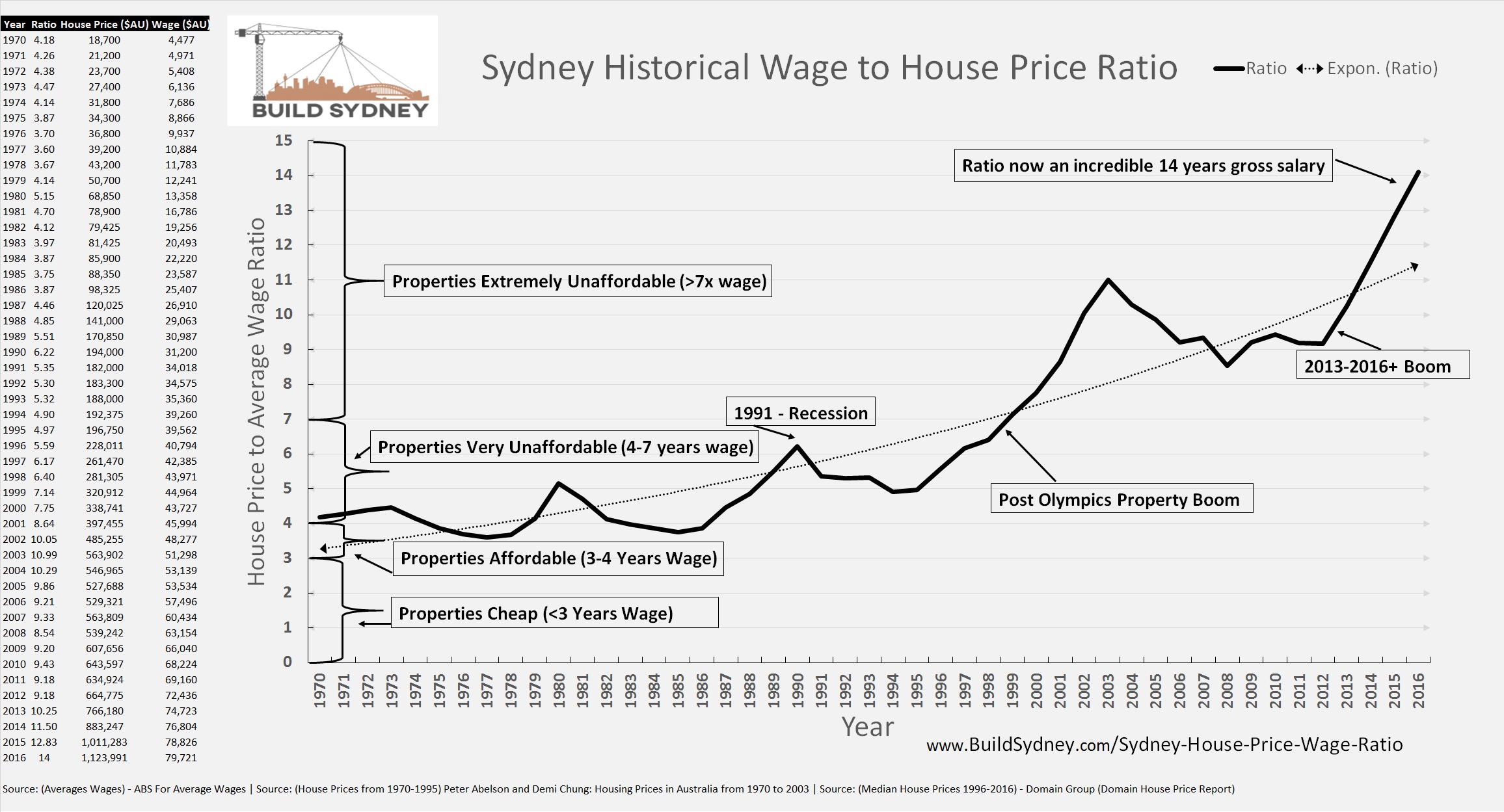
The growth rates draw a similarly discouraging picture for homeownership in these metros. Since 1960 median household income grew by 59% and 56% in Seattle and Denver, respectively, whereas median home prices grew by 286% and 239%. According to City Lab, the rule used by top real estate agents is that you can afford a home equal to roughly 2.6 years of your household income, i.e., a 2.6 price-to-income ratio.
As home prices soar in 2021, many comparisons are being made between the current housing environment and the one in 2006. However, despite recent double-digit home price appreciation, the mortgage payment to purchase a home is substantially more affordable than it was 15 years ago. As a general rule of thumb, housing experts advise that homeowners or tenants should not spend more than per cent of their gross monthly income on housing costs. This is so that individuals can afford basic necessities like food, healthcare, and transportation each month while being able to set aside some personal savings.
This chart gives a different view of the data from the chart above, comparing the percentage change between UK house prices and average incomes over time. When considering a mortgage application, lenders look at your front-end ratio. Your front-end income ratio measures how much of your gross monthly income would go toward a mortgage payment. Mortgage lenders say that a mortgage payment should not exceed 31percent of an applicant's gross monthly income. To figure your mortgage front-end ratio, multiply your annual salary by 0.31 and divide it by 12 months.
Today, it’s not uncommon to hear of people offering far more than the seller’s asking price — with some even offering $1 million more than the listing price. Although the overall picture is somewhat gloomy, housing affordability has been distributed a lot like wage growth — unevenly, in both an individual and a geographical sense. Owning a home on the coasts is tough for anyone who doesn’t bring in a high income, but there are still pockets of affordability in the middle of the country, for buyers willing to chase value.
Thus, use caution when comparing median incomes above $12,000 for people or $18,000 for families and households for different years. Median incomes below those levels are more comparable from year to year since they have always been calculated using linear interpolation. First, it is prudent is save up for about 20 per cent of the price of the home to make a down payment before buying the home. It is crucial to be mindful of this, since many may be able to afford mortgage payments but may not have enough personal savings to make a proper down payment. In Singapore, HDB uses the Debt Servicing Ratio , which it says is a more accurate indicator to measure if you’re having affordable homes.
Between 2008 and 2021, average home values soared by 25%, from $298,910 to $374,900. Meanwhile, median household income has scarcely budged, with a modest 8% increase, from $63,902 to $69,178. To afford a home in 2021, Americans need an average income of $144,192 — but the current median household income is actually $69,178. Accounting for inflation, home prices have leapt by 118% since 1965, while median household income has increased by just 15%. From 2019 to 2021, the average house-price-to-income ratio increased from 4.7 to 5.4 — a 14.9% increase that’s more than double the recommended ratio of 2.6.
Pundits have blamed lower marriage rates, lifestyle choices , student debt, and the supposed laziness of young people for this decrease, but there’s a much simpler explanation. As high as they are today, price-to-income ratios are still below the all-time highs seen during last decade’s housing boom . In fact, price-to-income ratios nationally were remarkably stable between 1980 and 1999, when they fluctuated between 3.1 and 3.4.


No comments:
Post a Comment